Kathmandu, the vibrant capital of Nepal, is more than just a gateway to the Himalayas. It is a city where history, spirituality and culture come alive in every corner. Discover accessible Kathmandu travel guide with UNESCO sites, festivals and culture within Kathmandu valley for travelers of all abilities. Travelers with accessibility needs can also enjoy the city’s rich heritage, festivals and welcoming experiences without barriers.
The Heartbeat of Kathmandu Valley
Located at 1,400 meters (4,600 feet) above sea level, Kathmandu sits in a valley surrounded by green hills and snow-capped peaks. The Kathmandu Valley is home to over 3 million people and includes the historic cities of Kathmandu, Patan (Lalitpur), and Bhaktapur, often called the “Valley of Temples.” Covering approximately 570 sq km (220 sq miles), it is a living museum of art, architecture and devotion.
UNESCO World Heritage Sites
The valley houses 7 UNESCO World Heritage Sites (inscribed in 1979):
- Kathmandu Durbar Square – Former royal palace with historic courtyards and temples.
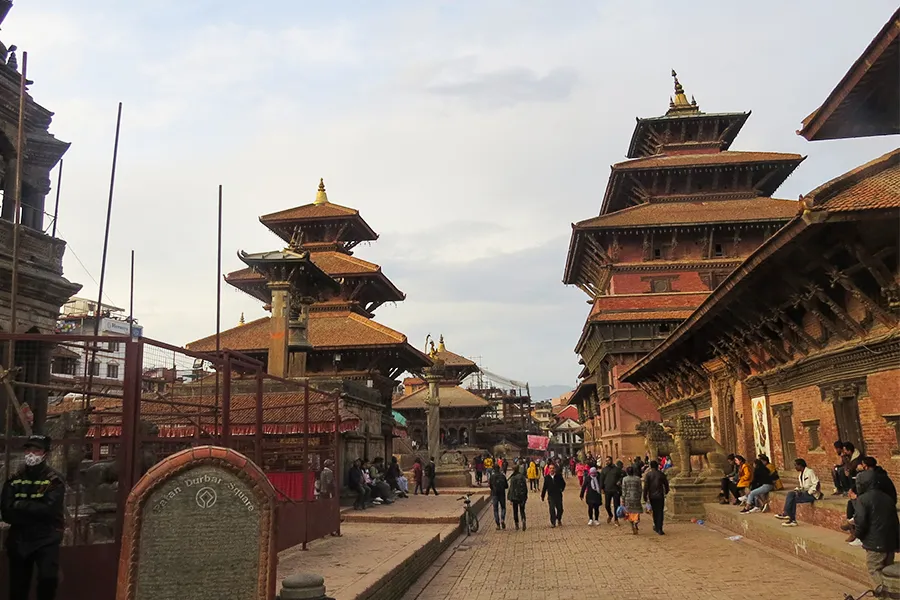
- Patan Durbar Square – Renowned for Newari architecture and Krishna Mandir.
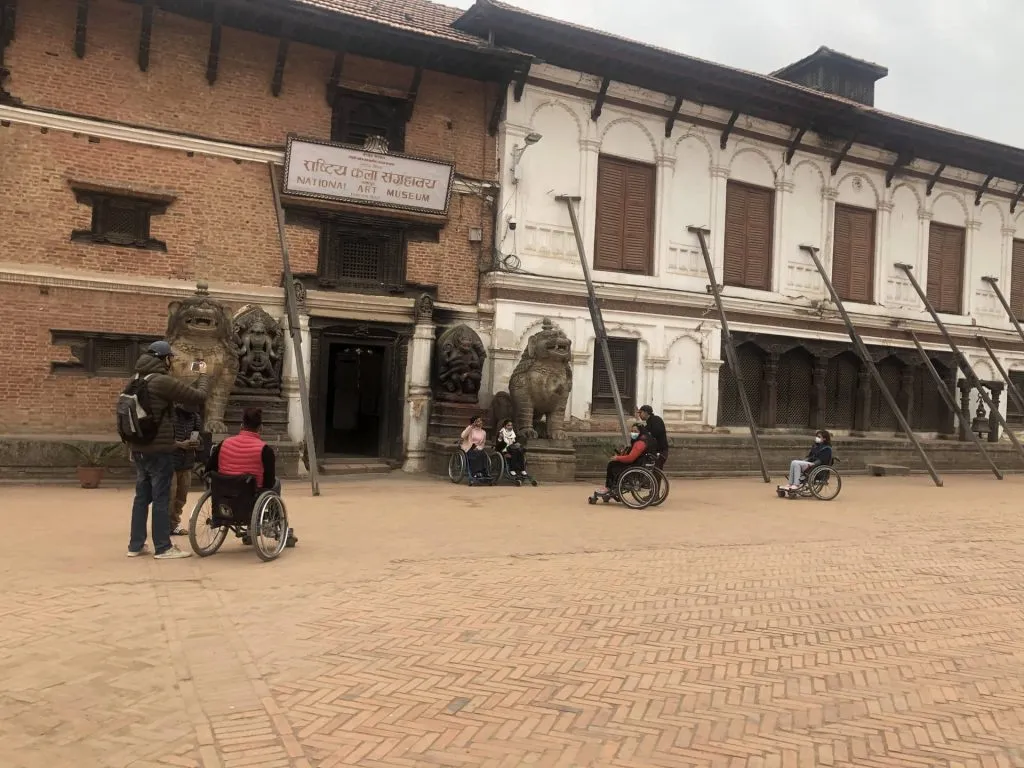
- Bhaktapur Durbar Square – Famous for the 55-Window Palace and pottery square.
- Swayambhunath (Monkey Temple) – Iconic stupa on a hill overlooking Kathmandu.
- Boudhanath Stupa – One of the largest stupas globally, center of Tibetan Buddhism.
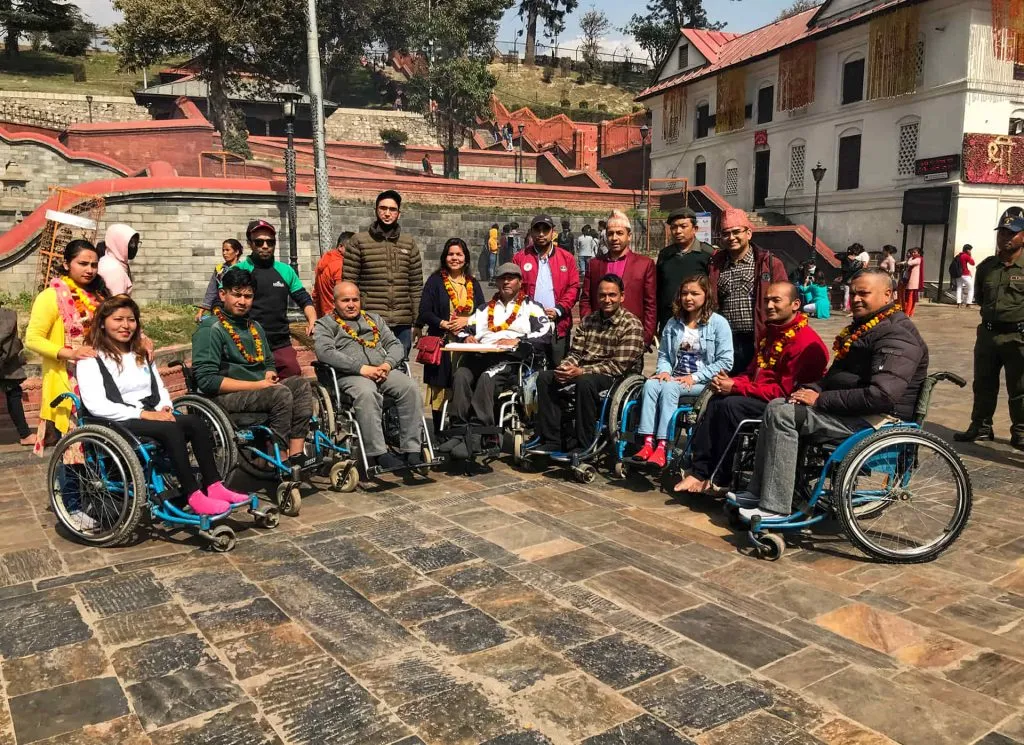
- Pashupatinath Temple – Sacred Hindu temple on the Bagmati River banks.
- Changu Narayan Temple – The oldest Hindu temple in the valley, dating to the 4th century.
Festivals That Light Up the City
Kathmandu celebrates festivals throughout the year:
- Indra Jatra (September) – End of monsoon, featuring chariot processions of the Living Goddess Kumari.
- Dashain (late September–mid-October) – Nepal’s largest festival, honoring Goddess Durga.
- Tihar / Deepawali (October/November) – Festival of lights, including Kukur Tihar (Day of the Dogs).
- Holi (March) – Festival of colors marking the arrival of spring.
- Buddha Jayanti (April/May) – Celebrates Lord Buddha’s birth at Swayambhunath and Boudhanath.
- Maha Shivaratri (February/March) – Devotees gather at Pashupatinath Temple to honor Shiva.
- Teej (August/September) – Women’s festival of fasting, dancing, and devotion.
Heritage With a Human Touch
Many heritage sites are gradually becoming more accessible for travelers. Ramps, wheelchair-friendly pathways and trained guides are helping everyone experience Nepal’s cultural heart. Inclusive homestays, accessible cafes and friendly shopkeepers reflect the Nepali tradition of Atithi Devo Bhava (“The guest is God”).
An Inclusive Journey
Accessible Nepal is committed to making Kathmandu’s stories open to all. With accessible transport, inclusive itineraries, and local support, travelers of all abilities can enjoy the city’s timeless spirit. Each step, ramp and smile ensures that barriers fade and experiences remain open to everyone.